Understanding Lawyer Workplace Injuries & Legal Recourse
A Professional Guide for the Legal Industry in 2026
The legal profession is often viewed as a sedentary, office-bound job. However, the reality involves significant physical and mental risks. From high-speed travel for court appearances to the grueling mental toll of high-stakes litigation, lawyers are susceptible to a variety of professional injuries.
Just as a criminal defense lawyer’s salary reflects the pressure of the job, the injuries sustained in this field require specialized legal recourse. Understanding the documentation required and the legal avenues for compensation is essential for any legal professional navigating a workplace injury claim.
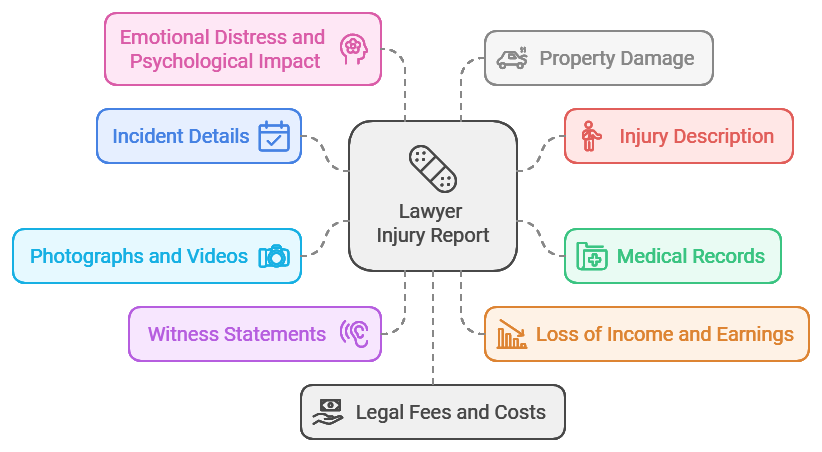
📂 Essential Incident Documentation Checklist
To build a successful claim, a lawyer must apply the same rigour to their own case as they do for their clients. The following documentation is critical:
1. Incident & Evidence Details
- Contextual Data: Precise date, time, and GPS location.
- Event Narrative: Concise description (e.g., trip hazards or transit collisions).
- Visual Proof: High-res photos of the scene or broken equipment.
2. Comprehensive Account
- Secondary Impacts: Aggravation of pre-existing conditions or mental health.
- Diagnosis: Reports on Lumbar strain, Carpal Tunnel, or Clinical Anxiety.
- Immediate Symptoms: Documentation of pain or loss of mobility.
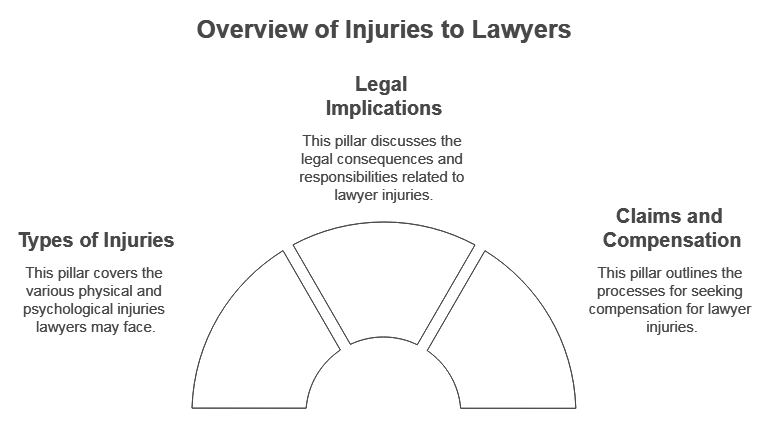
⚖️ Types of Injuries in the Legal Profession
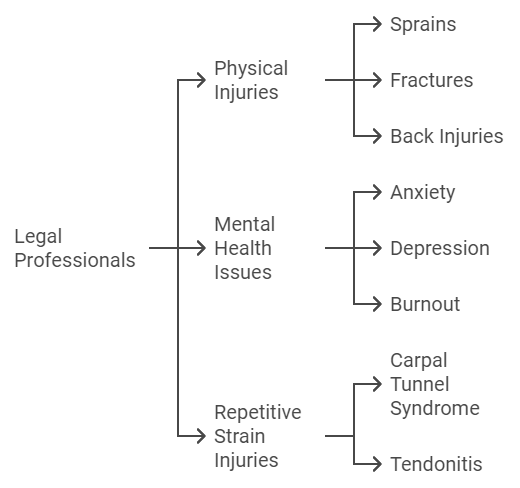
Lawyers face unique physical and psychological hazards. Much like the physical trauma recorded in oilfield accident documentation, a lawyer’s injuries can be catastrophic.
Physical Injuries
• Slips, Trips, and Falls in courthouses.
• Travel Accidents during commutes.
• Repetitive Strain (RSI) from computer work.
Mental Health
• Burnout and PTSD from criminal cases.
• Chronic Anxiety from billable hour pressure.
🏛️ Legal Implications for Injured Attorneys
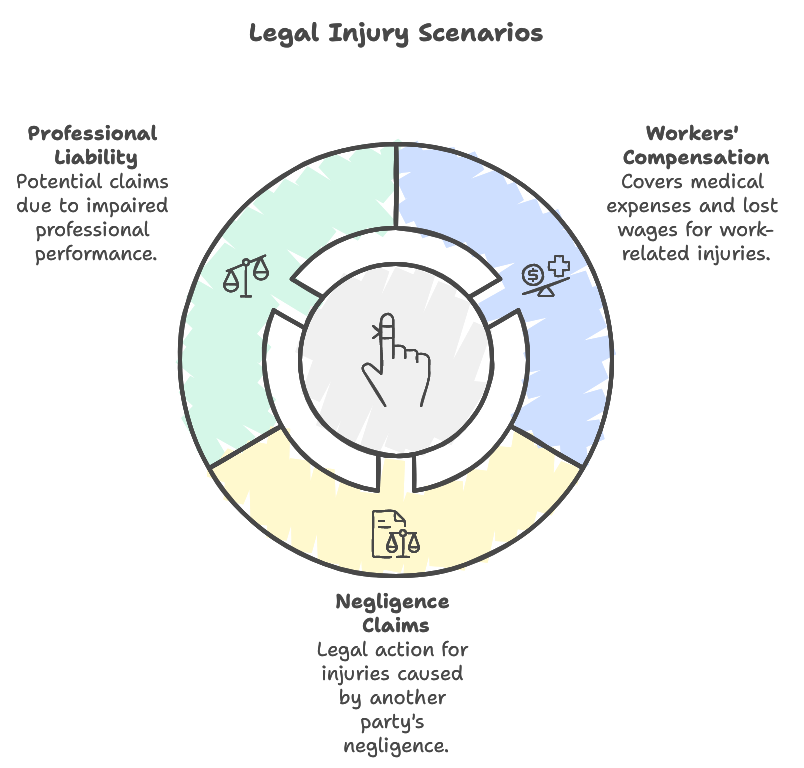
When an injury occurs, three main legal frameworks usually apply. It is often wise to consult with injury claim advocates to navigate these layers:
Workers’ Compensation: Covers medical bills and a portion of lost wages.
Third-Party Negligence: Applies if injured at a courthouse, similar to cases handled by a New York premises lawyer.
Professional Liability: An injured lawyer must be careful; physical/mental impairment could trigger a malpractice claim if deadlines are missed.
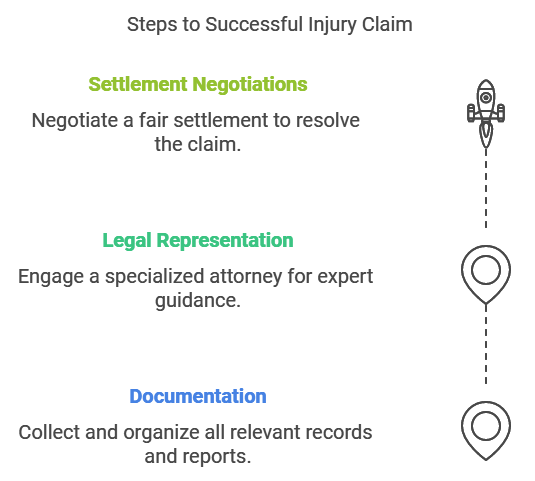
💰 Claims, Compensation, and Recovery
❓ Frequently Asked Questions (FAQs)
Q1: Can I claim Workers’ Comp if I was working from home?
Ans: Yes, if performing work duties like a Zoom hearing, but the burden of proof is higher.
Q2: Is “Professional Burnout” a valid basis for a claim?
Ans: Depends on jurisdiction. Requires extensive documentation from a licensed psychiatrist showing “extraordinary stress.”
Q3: What if my injury affects my ability to meet court deadlines?
Ans: Notify your firm/court immediately. Documentation can be used to request “Stays” or “Continuances.”
Q4: Can I recover “General Damages” (Pain and Suffering)?
Ans: Not via standard Workers’ Comp, but yes through a Third-Party Negligence lawsuit.
Q5: How do I prove “Loss of Earning Capacity” as a partner?
Ans: Requires a forensic accountant to analyze billable hours and origination credits.
Q6: Should I report a minor injury even if I don’t plan to sue?
Ans: Yes. Always file an internal report; minor injuries can evolve into chronic issues months later.
🏁 Final Professional Directive
An injury doesn’t just halt a lawyer’s career; it affects their clients and the justice system. By maintaining meticulous records, legal professionals can protect their own interests with the same tenacity they provide for others.
Protect Your Practice Today